


$11.95
Our Organic Red Split Lentils are low in fat, an excellent source of fibre and combined with a grain like Amaranth or Rice provide a complete pr...
View full details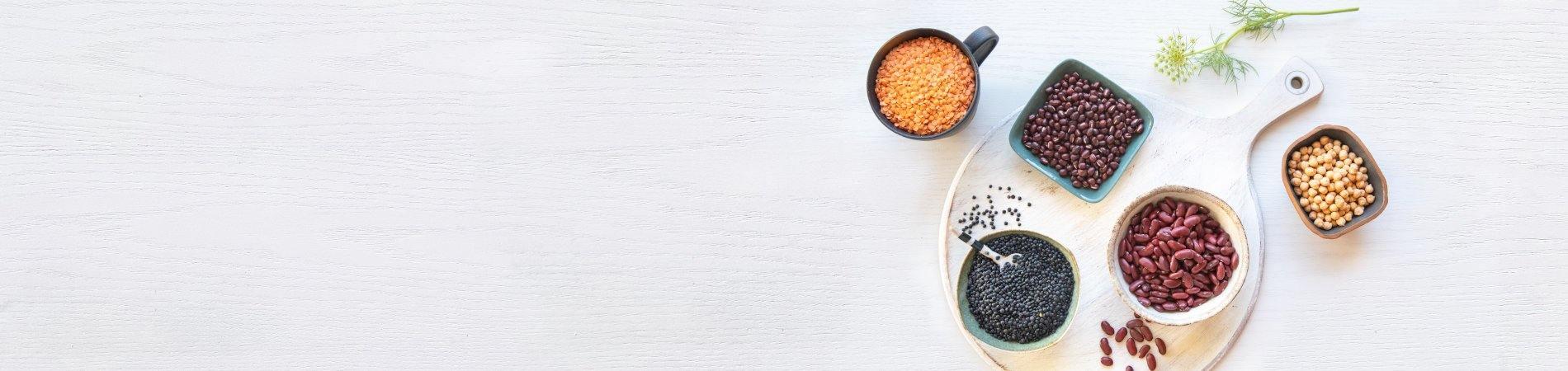
Our Organic Red Split Lentils are low in fat, an excellent source of fibre and combined with a grain like Amaranth or Rice provide a complete pr...
View full details
Certified organic whole mung beans in the 1kg bulk bag. One of the most versatile legumes in the pantry - cook them whole, split them for dal, o...
View full details
These Biodynamic Australian Soybeans contain all essential amino acids necessary for human nutrition and are considered one the few complete pla...
View full details
This Organic Chickpea Couscous is made from 100% Chickpeas! It is a tasty, high protein and gluten free great alternative to regular Couscous. O...
View full details
Ceres Organics’ Canned Black Beans are pure and wholesome. Organic Black Beans have many nutritious benefits including being high in dietary fib...
View full details
Ceres Organics’ Canned Butter Beans are pure and wholesome. Organic Butter Beans have many nutritious benefits including being high in dietary f...
View full details
Description Ceres Organics Baked Beans are high in protein and dietary fibre, yet low in sodium. Perfect for a quick, easy meal with toast, vegg...
View full details
The pantry tin that does the work for you. Ceres Organic Mixed Beans is a ready-to-eat mix of four certified organic beans, chickpeas, borlotti,...
View full details
Ceres Organics’ Canned Borlotti Beans are pure and wholesome. Organic Borlotti Beans have many nutritious benefits including being high in dieta...
View full details
Ceres Organics’ Canned Adzuki Beans are pure and wholesome. Adzuki Beans have many nutritious benefits including being high in dietary fibre and...
View full details
Ceres Organics’ Canned Cannellini Beans are a traditional Italian bean. Cannellini Beans have many nutritious benefits including being high in d...
View full details
Ceres Organics’ Canned Red Kidney Beans are pure and wholesome. Red Kidney Beans have many nutritious benefits including being high in dietary f...
View full detailsLegumes, beans and pulses are often used interchangeably however they are actually quite different. Legume is a flowering plant from the Fabaceae family and it includes its leaves, stems and pods. The pulse is the dry, edible seed within the pod of that plant.
Some common legumes are peanuts and soy. Yes, peanuts! They’re actually a legume, not a nut, despite their name.
The most common varieties of pulses in Australia include beans, lentils, split peas and chickpeas.
There are so many health benefits to beans and pulses. As they’re high in protein, beans and pulses are a delicious alternative to meat.
They’re low in fat, high in dietary fibre and have antioxidants including vitamin E, selenium, phenolic acids, phytic acids, copper, zinc and manganese.
Chickpeas, broad beans and lentils have ‘saponins’ which can help lower blood cholesterol. Pulses are also gluten-free, so people with celiac disease can add them to their diet.
They are also low in energy but can help fill us up so are perfect if you’re watching your weight.
Pulses have distinct health benefits apart from other legumes. Unlike legumes like peanuts and soy, for example, pulses are low in fat and very high in protein and fiber.
If you’re buying bulk organic beans online, you need to store them correctly. Organic products aren’t fumigated or treated for pests, so it’s best to store them in sealed containers in a pantry or cupboard where pests can’t get to them.
There are so many delicious recipes featuring beans and pulses. Some of our favourite ways to eat them are in soups (we’ve got this amazing organic soup mix), Indian curries like Urad Dhal, Black Beans for Burritos and Brazilian dishes and dips such as chickpea hummus.
Lentils make wonderful patties like this red lentil and black sesame burger mix. And who doesn’t love some spicy kidney bean nachos?
Check out some of our other favourite recipes.
